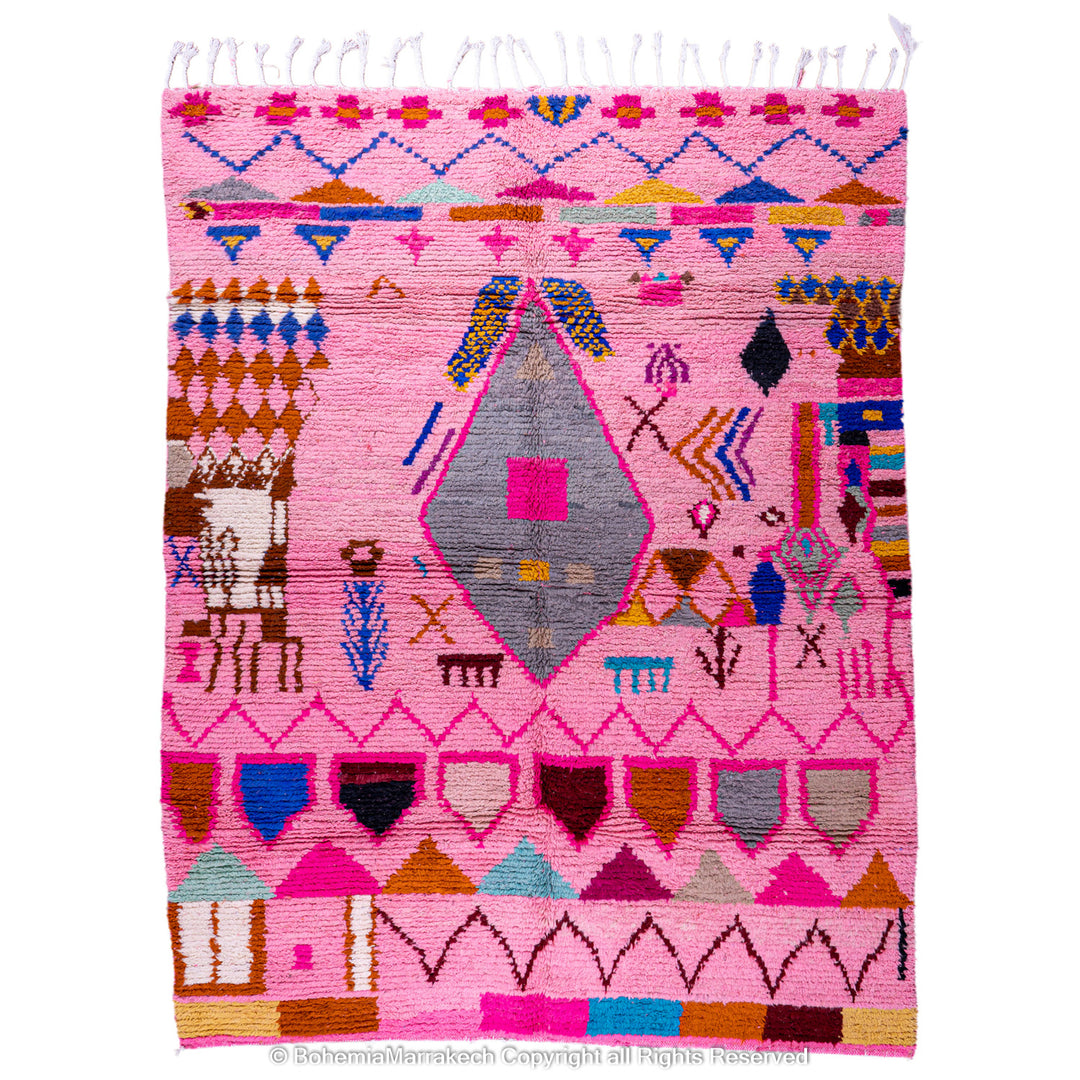
Layering rugs can add warmth and define a seating area, especially in a large room or an open-plan space. The key is to give each rug a clear role: one anchors the furniture, while the second adds a focused accent.
Start with a stable base
Choose a larger rug that fits the main furniture group. In a living room, aim for the front legs of the sofa and chairs to sit on the base rug when the layout allows. This helps the seating area read as one connected zone. A neutral wool rug can make a calm foundation, while a patterned base can work if the top rug is simpler.
Use scale and texture for contrast
A smaller, flatter rug such as a kilim can sit over a deeper pile rug and introduce a different texture without adding too much bulk. Keep a visible border of the lower rug around the top one so the layers look deliberate. If both rugs have strong patterns, make sure their colors share at least one quiet connection, such as a warm earth tone or a soft neutral.
Keep the top rug purposeful
Place the smaller rug where it serves a function: under a coffee table, beside a reading chair, or at the edge of a seating group. Avoid covering almost all of the base rug, since the layered effect depends on seeing both pieces.
Check movement and safety
Before settling on the arrangement, walk across it and check that corners lie flat. Use a suitable rug pad where needed, particularly on smooth floors, and keep the edges clear of door swings and walkways. If the top rug curls or slips, adjust the pad or move the rugs so the edges do not overlap awkwardly.
For more combinations, browse the handmade Moroccan rug collection and compare pile, flatweave, color, and pattern.